

83% of small businesses now have a website, up from roughly 64% in 2018 (Clutch, 2025 SMB survey, Aug. 21, 2025). Getting a website is no longer the hard question – choosing between an agency, a freelancer, and a DIY builder is.
This guide breaks that decision down by cost, timeline, and a risk factor most “how to hire a web developer” guides skip entirely: website accessibility lawsuits, which jumped sharply in 2025 and disproportionately target small and mid-size businesses.
Key Takeaways
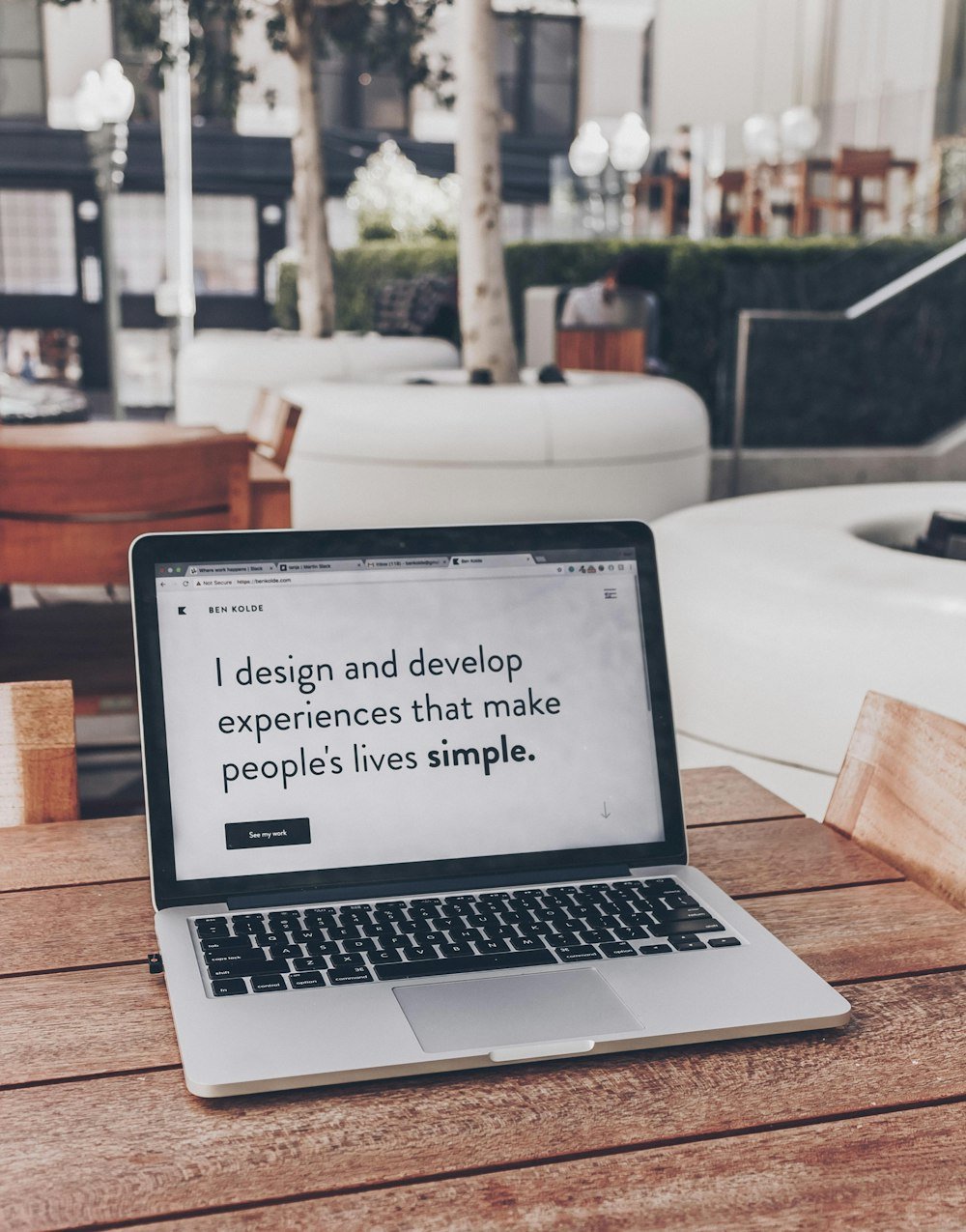
- Freelancers typically run $1,500 to $8,000 one-time; agencies run $6,000 to $35,000 or more; DIY builders run $200 to $600 per year – the right choice depends on complexity, not just budget
- ADA web-accessibility lawsuits rose roughly 27% year-over-year in 2025, and small and mid-size businesses remain the majority of defendants – a real, underserved reason to hire a professional over pure DIY for anything customer-facing
- 41% of small-business websites now run on DIY or AI-assisted builders like Wix and Squarespace – a legitimate option for simple sites, not just a budget compromise
- Typical timelines: 1-2 weeks for a one-page DIY site, 4-8 weeks for a professionally built small-business site, 6 months or more for a complex custom build
In this article:
- Do You Need an Agency, a Freelancer, or a Builder?
- What a Website Actually Costs in 2026
- How Long It Actually Takes
- The Accessibility Risk Most Guides Skip
- The Rise of DIY and AI-Assisted Builders
- What to Look For When Hiring in Portland
- Frequently Asked Questions
- Conclusion
Do You Need an Agency, a Freelancer, or a Builder?
Start with complexity, not budget. A simple brochure site – hours, contact info, a handful of photos – rarely justifies an agency engagement. A site with online booking, e-commerce, custom integrations, or content that needs to scale across dozens of pages usually outgrows a DIY builder fast.
| DIY Builder | Freelancer | Agency | |
|---|---|---|---|
| Typical cost | $200-$600/year | $1,500-$8,000 one-time | $6,000-$35,000+ |
| Typical timeline | 1-2 weeks | 2-6 weeks | 4-8+ weeks |
| Best for | Simple brochure or single-location site | Custom design or functionality on a tighter budget | Multiple integrations, ongoing strategy, larger scope |
| Ongoing support | Included in subscription | $50-$200/month | $150-$500/month |
| Who owns the site | You, but tied to the platform | You, on an open system if built that way | You, on an open system if built that way |
As a rough framework: choose a DIY builder if you need a simple, low-maintenance site and can invest a few hours yourself. Choose a freelancer if you want custom design or functionality on a tighter budget and can manage the relationship directly. Choose an agency if you need ongoing strategy, multiple integrations, or a team that can scale the project without you managing every contractor.
Budget isn’t irrelevant, but it’s the second question, not the first. A business owner with $15,000 to spend on a five-page brochure site is over-scoped for the project. A freelancer, or even a well-configured DIY builder, would deliver the same result for a fraction of the cost.
The reverse mismatch is just as common. A business trying to build a custom booking-and-payments platform for $2,000 is under-scoped no matter who they hire. That gap between budget and scope is where projects stall, run over, or ship with corners cut on security and accessibility. Match the path to what the project actually requires, then find the option that fits your budget within that path – not the other way around.
A Portland massage therapist opening a second location, for example, might only need online booking and a handful of service pages – a $2,500 freelancer build with a booking plugin, not a $20,000 custom platform. A regional retailer adding e-commerce across three warehouses has outgrown DIY builders entirely, even if their first instinct is to save money by trying one.
Ownership and portability also matter more than most first-time buyers expect. A site built on a DIY platform is easy to move between templates but hard to move off the platform entirely. A freelancer- or agency-built site on WordPress or a similar open system is more work to redesign but far easier to hand off to a different developer later if the relationship ends. Ask early who owns the code, the content, and the hosting account – not just who built it.
What a Website Actually Costs in 2026
Freelance developers typically charge $1,500 to $8,000 one-time for a small-business site, often billing $50 to $100 per hour. Ongoing support after launch commonly runs $50 to $200 per month. Boutique and small agencies typically charge $6,000 to $35,000 per project depending on scope, with ongoing support closer to $150 to $500 per month (industry pricing guides, 2026). DIY builders like Wix or Squarespace run $200 to $600 per year in subscription costs, with no separate development fee.
These figures come from a consistent cluster of 2026 pricing guides rather than a single audited study, so treat them as a directional market range rather than a precise average. Locally, Portland’s Clutch-listed agencies show featured firms billing in the $100 to $199 per hour range, consistent with the higher end of the national agency band.
How Long It Actually Takes
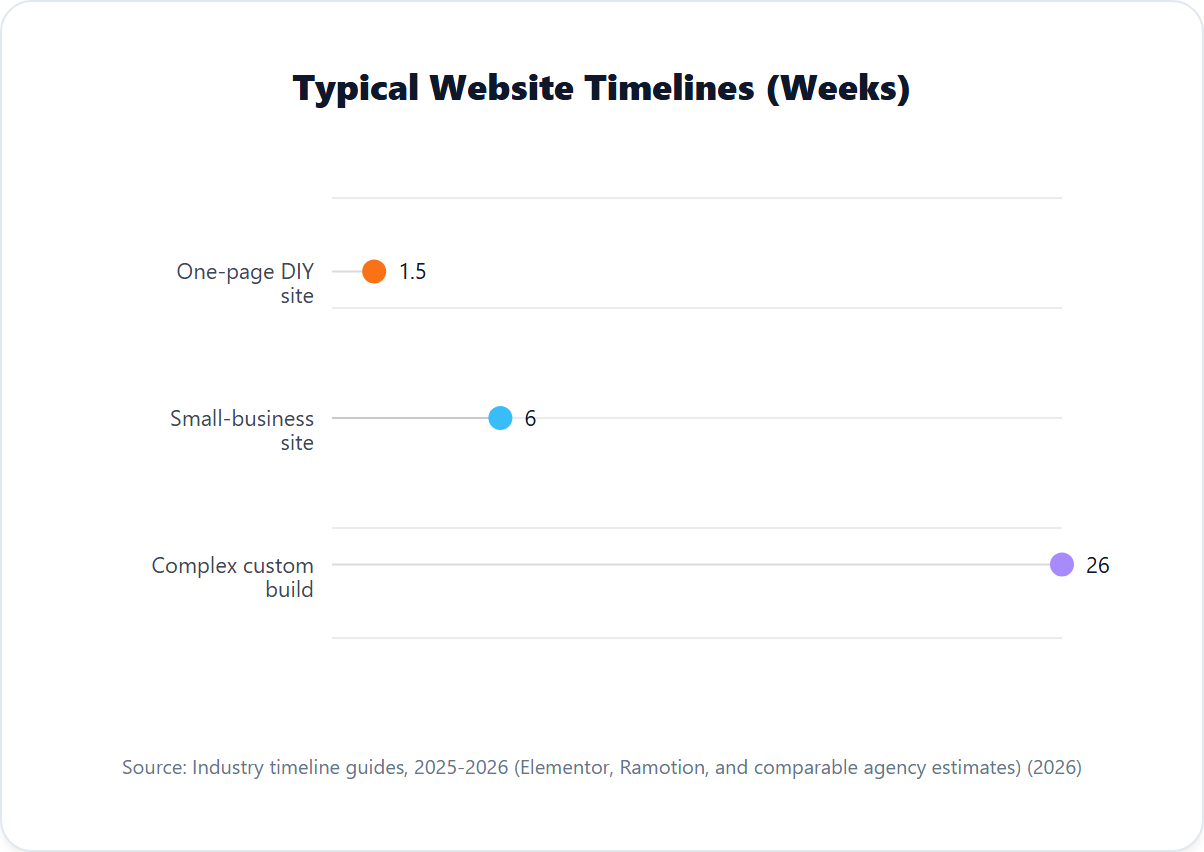
A one-page DIY site can go live in a week or two. A professionally built small-business site typically takes four to eight weeks from kickoff to launch. Complex custom builds – multi-language sites, custom applications, deep integrations – commonly run six months or longer, and quoted timelines slip in practice more often than not, so budget slack into any deadline that matters.
The Accessibility Risk Most Guides Skip
Website accessibility lawsuits are not a hypothetical risk. ADA Title III web accessibility lawsuits rose from roughly 2,452 federal cases in 2024 to an estimated 3,117 to 4,928 in 2025, depending on tracker methodology – a roughly 27% year-over-year increase (UsableNet ADA Web Accessibility Lawsuit Tracker). Small and mid-size businesses under $25 million in annual revenue remain the majority of defendants.
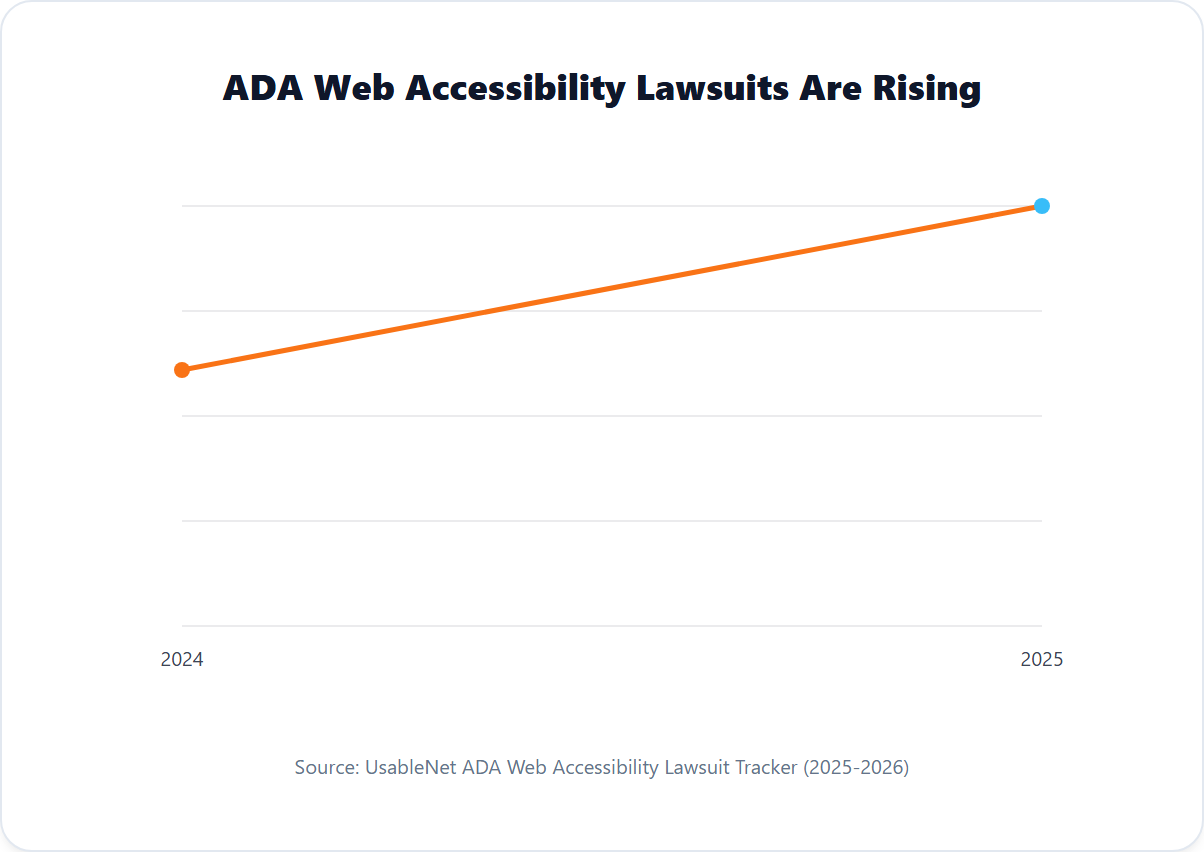
This is where the DIY-vs-professional decision gets real stakes. A basic DIY builder site with clean semantic markup can be reasonably accessible, but a from-scratch custom build with no accessibility review carries real legal exposure – regardless of whether a freelancer or an agency built it. If your site takes payments, bookings, or account sign-ups, ask whoever you hire directly how they handle WCAG compliance before you sign anything.
The Rise of DIY and AI-Assisted Builders
41% of small-business websites now run on DIY builders like Wix and Squarespace, with WordPress and Shopify powering another 34% (Clutch, 2025 SMB survey). That’s not just a budget compromise – modern builders now include AI-assisted design and copywriting tools that narrow the gap with custom-built sites for straightforward use cases.
DIY genuinely makes sense for a simple brochure site, a single-location service business, or a founder who wants full control over minor content edits. It stops making sense once you need custom functionality, multi-step booking flows, or a design system a builder’s templates can’t accommodate.

What to Look For When Hiring in Portland
Whether you choose a freelancer or an agency, a few questions separate a good hire from a costly redo:
- Portfolio relevance – ask for examples in your industry or a comparable one, not just a general portfolio
- Accessibility awareness – ask specifically how they test for WCAG compliance, given the lawsuit trend above
- Post-launch terms – confirm what ongoing support costs and what’s included before the project starts, not after
- Communication cadence – agencies often provide a project manager as a single point of contact; freelancers usually require more direct oversight from you
- Ownership terms in writing – confirm in the contract that you own the final code, content, and domain, not just a license to use them while you keep paying
- References you can actually call – a portfolio link shows finished work; a reference conversation reveals how the developer handled changed scope, missed deadlines, or post-launch bugs
Portland’s Clutch-listed directory shows dozens of reviewed local firms, which makes comparison shopping easier than in a smaller market – use that to your advantage by requesting quotes from at least two or three options before committing, even if you already have a favorite. A second quote is often the fastest way to tell whether a price reflects the project’s real complexity or just the vendor’s default rate.
Frequently Asked Questions
Is a freelancer or agency better for a small business?
It depends on project complexity and how much day-to-day management you want to do. Freelancers usually cost less and require more direct oversight from you; agencies cost more but provide a team and a project manager who can absorb more of that coordination work.
Can I just use Wix or Squarespace instead of hiring anyone?
For a simple brochure or single-location service site, yes – 41% of small-business websites already run on DIY builders like these. Once you need custom functionality, complex booking flows, or a design a template can’t support, a freelancer or agency becomes the more practical choice.
Do small businesses actually get sued over website accessibility?
Yes. ADA web accessibility lawsuits rose roughly 27% year-over-year into 2025, and small and mid-size businesses under $25 million in revenue remain the majority of defendants – this isn’t a risk limited to large corporations.
How long should I budget for a new website?
Plan for one to two weeks for a simple one-page DIY site, four to eight weeks for a professionally built small-business site, and six months or more for a complex custom build – and add buffer time, since quoted timelines commonly slip in practice.
What should ongoing website support cost?
Industry pricing guides put freelancer support around $50 to $200 per month and agency support around $150 to $500 per month, on top of whatever the initial build cost. Confirm exactly what’s included – hosting, security updates, content edits – before you sign.
Conclusion
The right choice between an agency, a freelancer, and a DIY builder comes down to how complex your site needs to be, not just how much you want to spend. Match the path to the project: a simple brochure site rarely needs an agency, while anything with custom functionality, bookings, or payments usually needs more than a template can deliver – and needs a real answer on accessibility before launch, given how fast that legal exposure has grown.
If you’re setting up a new business alongside your website, our guides to bookkeeping fundamentals and Portland’s small business tax stack cover the other pieces you’ll need in place before launch.
Build a Fast, Accessible Website with Enter & Post
Looking for custom web development without agency bloat or DIY limitations? Enter And Post LLC builds high-performance, WCAG-compliant responsive websites tailored for small businesses starting at $99. We handle custom UI/UX design, SEO optimization, mobile responsiveness, and turnkey hosting.
Explore Web Development Services Schedule a Free Consultation